Ethical Marketing: Definition, Principles, & Examples
Ethical marketing is when you promote a product, service, or brand in a way that aligns with your values and morals.
In this guide, we’ll explore the principles it encompasses and how you can incorporate them into your business.
Benefits of ethical marketing
Ethical marketing breeds trust among potential customers.
For example, Apple has focused heavily on privacy in its advertising efforts in recent years:
And it seems to be working—if this recent poll by my colleague is any indication.
Based on gut feeling, which of these companies do you think cares most about your data privacy?
— Joshua Hardwick (@JoshuaCHardwick) September 1, 2023But “trust” isn’t the only benefit of so-called ethical marketing. It can also lead to positive publicity and backlinks.
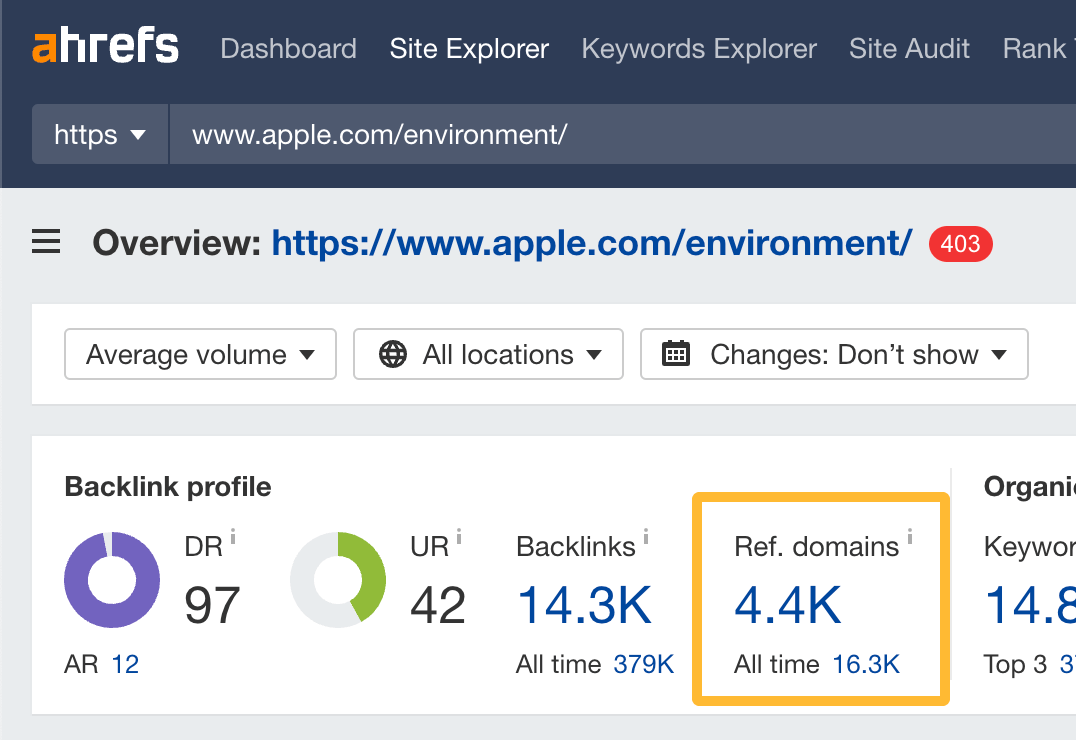
According to Ahrefs’ Site Explorer, Apple’s Environment page has backlinks from ~4,400 referring domains (linking websites):
If we head to the Backlinks report and dig deeper, we find that many of these are positive mentions of Apple in well-known publications.
Here’s one from the BBC about Apple’s call to ban hazardous materials from its production lines:

And here’s one from an op-ed piece in The New York Times about climate change:

Bottom line? Regardless of what you think about Apple (it’s drawn flak for some of its opaque practices in recent years), its commitment to ethical marketing has built consumer trust—an immensely valuable asset in such competitive markets.
More examples of ethical marketing
To give you a more well-rounded overview of what ethical marketing encompasses in practice, here are four more real-life examples.
AhrefsEthical marketing at Ahrefs looks a little different than Apple’s:
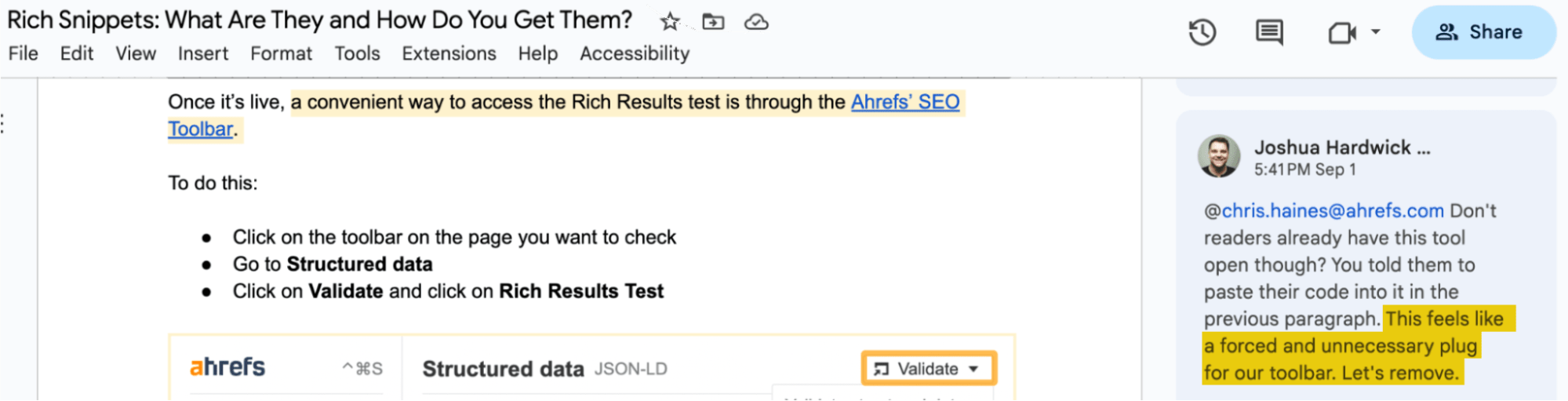
We tell it like it isWe never oversell the utility of our toolset.
If it meant forcing a product pitch into our content, we’d rather not include it at all.
 Giving back
In 2022, Ahrefs’ founder Dmytro Gerasymenko launched a donation-matching initiative in a show of support for Ukraine. For any amount an Ahrefs customer donated to an approved charity in Ukraine, we extended their subscription for double of that.
This resonated with many subscribers and won us organic mentions on platforms like Twitter, as well as media mentions—even though it certainly hadn’t been the aim of our donation-matching campaign.
While we’re humblebragging, we also funneled $200K into sponsoring podcasts, newsletters, videos, and more in December 2021. The move generated lots of positive publicity:
Whoa—I just received a mystery swag box from @ahrefs (a Why We Buy sponsor)
Is blogging a bit of a mystery to you? And do ya want your own mystery box?
Comment 🎁 on this post
I’ll send you Ahrefs’ free Blogging for Business course & you’ll be entered to win your own swag box! pic.twitter.com/sncW4vBUVF
— Katelyn Bourgoin 🧠 (@KateBour) September 7, 2022 Marou ChocolateAnother tasty addition to the list is one of Asia’s most well-loved bean-to-bar brands: Marou Chocolate.
The Vietnamese-based company maintains a close eye over the entire chocolate-making process, from working with Vietnamese cacao farmers through to overseeing the production line.
Such is its dedication that it publishes detailed reports on its sourcing process, how it supports small cacao producers, and more.
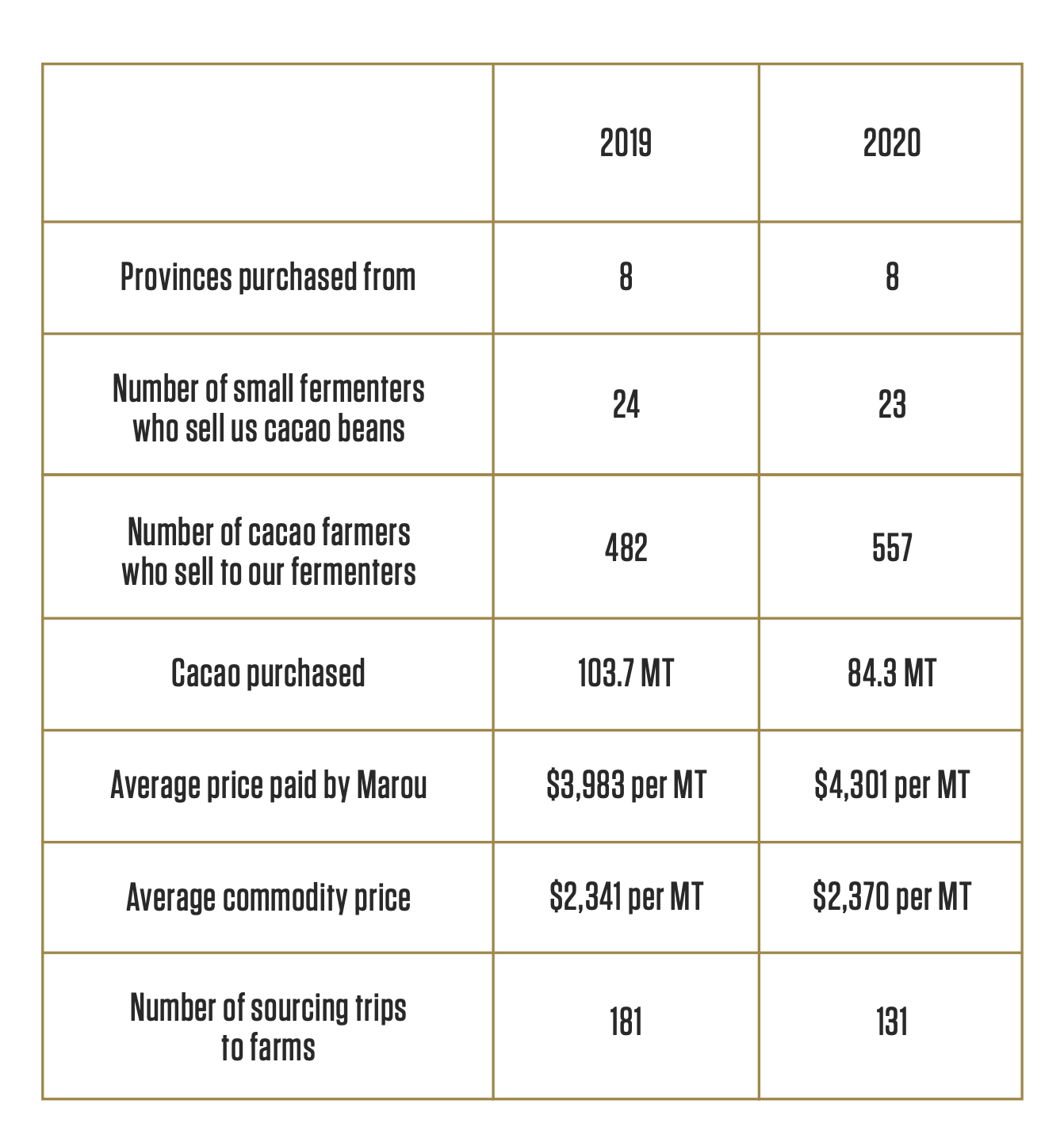
If this isn’t transparency, we don’t know what is. Have a read—it’s fascinating stuff.
PatagoniaOutdoor clothing label Patagonia’s mission statement is simple:
We’re in business to save our home planet.
Sounds unrealistic? In fact, the brand is well regarded for keeping true to its words and is a solid example of how sustainability is embedded in ethical marketing.
https://www.leadbuildermarketing.com/ethical-marketing-definition-principles-examples/


Comments
Post a Comment